Clean, Gray and Black Water Explained
Where the water came from decides how safe it is to touch and what has to be thrown away.
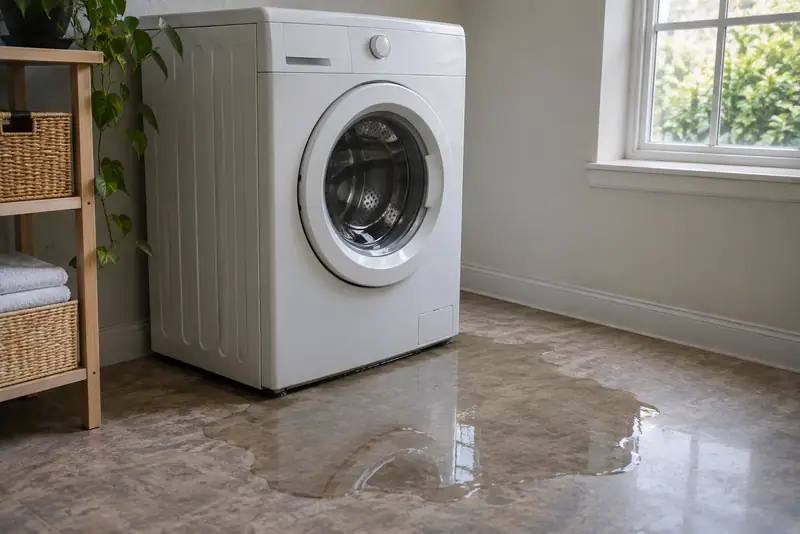
Three kinds of water, three kinds of cleanup
Restoration work sorts water into three categories, often called clean, gray and black, or categories one, two and three. The idea is simple. The dirtier the water, the more care it needs and the more porous material has to be removed rather than dried. Knowing which one you have helps you stay safe in the first hour and understand what the cleanup will involve.
| Category | Also called | Common sources | Safe to touch? |
|---|---|---|---|
| Clean water | Category one | Supply pipes, water heaters, ice maker lines, fresh rain through a roof | Low risk at first |
| Gray water | Category two | Washing machines, dishwashers, sink overflows, a toilet bowl with no waste | Avoid skin contact |
| Black water | Category three | Sewage, toilet water with waste, outside flood water, long standing water | No, treat as unsafe |
Clean water
Clean water comes from a source that was safe to drink or use, such as a burst supply line or a leaking water heater. It is the easiest to deal with. Carpet, drywall and wood soaked by clean water can often be dried in place if drying starts quickly.
The catch is time. Clean water picks up whatever it touches, from carpet backing to dust inside walls, and in a warm house bacteria grow in it. After a day or two, clean water is usually treated as gray. That is one of the strongest reasons to start drying early.
Gray water
Gray water has some contamination in it, such as soap, food, lint or chemicals. A washing machine discharge, a dishwasher leak and an overflowing sink are typical. It is not as risky as sewage, yet it can make people unwell, especially children and anyone with a weak immune system.
Cleanup involves extracting the water, cleaning and disinfecting the surfaces it touched and removing some porous materials such as carpet pad. Gray water left for a couple of days is treated as black water.
Black water
Black water is grossly contaminated. Sewage backups, toilet overflows with waste, and flood water that came in from outside all belong here, along with any water that sat long enough to grow bacteria. It can carry bacteria, viruses and chemicals, and it should never be cleaned up with bare hands or a mop.
- Keep children, pets and anyone who is unwell away from it.
- Stop using drains in the house if the water came up a drain.
- Do not use household vacuums or fans on it.
- Wash thoroughly after any contact and change clothes before going into clean rooms.
Porous materials touched by black water, including carpet, pad, drywall and insulation, are removed and thrown away. Hard surfaces and framing are cleaned and disinfected before drying. The sewage backup cleanup and storm and flood damage cleanup pages go into detail.
How the category changes what can be saved
| Material | Clean water | Gray water | Black water |
|---|---|---|---|
| Carpet | Often dried and kept | Sometimes cleaned and kept | Removed |
| Carpet pad | Usually replaced | Replaced | Removed |
| Drywall | Often dried in place | Cleaned and dried, sometimes cut | Cut out above the water line |
| Insulation | Removed if soaked | Removed | Removed |
| Hardwood | Dried | Cleaned and dried | Often removed |
| Concrete and tile | Dried | Cleaned and dried | Cleaned, disinfected and dried |
These are general patterns rather than fixed rules. A technician decides item by item, based on how long the water sat and what the material is.
When you are not sure
If you do not know where the water came from, or it has a smell, treat it as the worse category. Being careful does no harm, and guessing wrong in the other direction can make someone ill. Water that came through a floor drain, rose around a toilet or seeped in from the yard is never clean, even if it looks clear.
The before help arrives checklist covers the safe first steps for each kind of water.
Why it matters for your records
The category also affects the paperwork. Insurance adjusters and restoration crews both note it, because it explains why some materials were dried and others were removed. Ask for the category to be written down with the readings and photos. If you have kept photos of the source, such as a burst hose or a backed up floor drain, they help show which category applied. Our guide to homeowners insurance and water damage explains the rest.
Questions about water categories
Is rain water clean?
Rain dripping straight through a roof into the attic starts out fairly clean. Rain that ran across the ground, through a window well or under a door is treated as black water.
Is water from a dishwasher dangerous?
It is gray water, so avoid skin contact and clean the area properly. It is not as risky as sewage.
Can I clean up gray water myself?
Small amounts on hard floors, with gloves and a disinfectant, yes. Gray water that soaked carpet or walls needs extraction and drying.
How long until clean water becomes gray?
Often within a day or two in a warm home, sooner if it touches dirty materials.
Does bleach make black water safe?
No. Bleach does not reach into porous materials and does nothing for water trapped in walls and floors. Contaminated porous materials are removed.
Why was my carpet thrown out after a toilet overflow?
If the overflow contained waste, it counts as black water, and carpet cannot be cleaned to a safe standard after that.