Does Homeowners Insurance Cover Water Damage?
It depends on where the water came from and how fast it happened. Here is how policies usually look at it.
The short answer
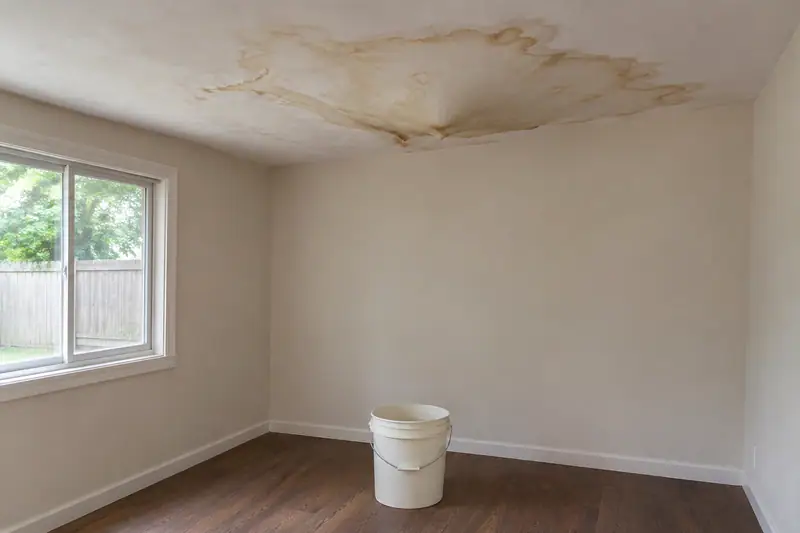
Does homeowners insurance cover water damage? Often it does when the damage is sudden and accidental, such as a pipe that bursts or a water heater that fails without warning. It often does not when the damage built up slowly from a leak that was ignored, or when the water came from outside flooding, which usually needs a separate flood policy. Sewer backups often need their own endorsement.
Every policy is different, and this page explains the common patterns, not your coverage. Read your own policy, or ask your agent, for the real answer. What you can control is how quickly you protect the house and how well you record what happened.
How policies usually sort water damage
| What happened | How standard policies often treat it |
|---|---|
| A pipe burst suddenly | Often covered as sudden and accidental damage. |
| A water heater or appliance failed without warning | Often covered, though the appliance itself may not be. |
| A slow leak that went on for weeks or months | Often excluded as wear, maintenance or gradual damage. |
| Rain through a roof damaged by a storm | Often covered when the storm caused the opening. |
| Rising water or surface flooding from outside | Usually excluded, covered by a separate flood policy. |
| Sewage or water backing up through a drain | Often excluded unless a sewer backup endorsement was added. |
| Mold from a covered leak | Sometimes covered, often with limits. Policies vary widely. |
Notice how much depends on the words sudden and gradual. That is why the date you found the water, and how quickly you acted, matter so much to the conversation with your insurer.
Your duty to protect the property
Most policies expect you to take reasonable steps to stop further damage once you know about a loss. In plain terms, turn off the water, keep the area safe and start drying. Damage that grows because nothing was done for days may be treated differently from the original loss.
This is one reason not to wait for an adjuster before starting the drying. Take your photos, keep damaged items, then protect the house. The before help arrives checklist covers those first steps, and water extraction and drying explains what proper drying involves.
Records that help
- Photos and video of the source, every wet room and every damaged item, taken before cleanup.
- The date and time you found the water and a note of each step you took.
- Damaged items kept aside until the adjuster says they can go, unless they are a health risk.
- The moisture readings and the drying log from the restoration work.
- A list of materials removed, such as carpet pad, drywall and insulation, with the reason for each.
- Any repair records for the pipe, appliance or roof that caused the water.
Ask for copies of everything at the end of the job and keep them in one folder. A clear record of when the water happened, how far it spread and how it was dried makes conversations with your insurer much easier.
Working with an adjuster
An adjuster may visit, or may review photos and records remotely. Walk them through the source, show them the wet areas and the readings, and point out anything that was removed. If something is unclear, ask them to explain what the policy says about it.
If you disagree with a decision, ask for the reason in writing and the policy wording it relies on. Your agent can help you understand your options. Keep your tone calm and your records organized, and stick to what happened and when.
Questions to ask your agent
- Is sudden water damage from a burst pipe or a failed appliance covered under my policy?
- Do I have a sewer or drain backup endorsement?
- Do I need a separate flood policy for my home?
- Is there a limit on mold coverage, and what does it require?
- Should I start drying before an adjuster visits, and what records do you want?
- Is temporary housing included if the home cannot be used during repairs?
Renters and condo owners
Renters usually rely on the landlord for the building and on renters insurance for their own belongings. Report any water to the landlord in writing straight away. Condo owners often have a building policy that covers the structure and their own policy for the unit interior and contents. Leaks between units raise questions about who is responsible, so tell the building manager quickly and keep your own records of what was damaged in your unit.
Floods and the official resources
Flood insurance for homes is usually bought separately, and coverage typically begins after a waiting period, so it cannot be bought once the water is rising. For flood preparation and safety guidance, see Ready.gov on floods. For any flood that has already happened, focus on safety first, then on photos and records, then on removing the water.
Insurance questions
Should I call my insurance company before or after starting cleanup?
Many people call the same day. Take photos first, then protect the house by stopping the water and starting the drying. Most policies expect you to prevent further damage.
Is a slow leak under the sink covered?
Slow leaks are often excluded as gradual damage, while the sudden failure of a supply line may be treated differently. Check your policy.
Does home insurance cover a flooded basement?
It depends on the source. A burst pipe in the basement is treated differently from ground water or a sewer backup.
Will a claim for water damage affect my policy?
That depends on your insurer. Your agent can explain how claims are handled on your policy.
Do I have to use a particular company for the work?
Usually you can choose who does the work. Ask your insurer what they need from whoever you choose, such as photos and readings.
What if mold appears after the claim?
Tell your insurer promptly and keep records showing when the leak happened and how it was dried. Mold coverage varies widely between policies.