How It Works When You Call Water Damage Portland OR
One conversation, a local technician at your door, and every decision stays with you.
The four steps
Here is how water damage help works with Water Damage Portland OR, from the moment you reach us to the day the readings say the house is dry.
You tell us what is happening
Where the water is, where it came from, whether it has stopped and how long it has been there. Your ZIP code and the best way to reach the house help too.
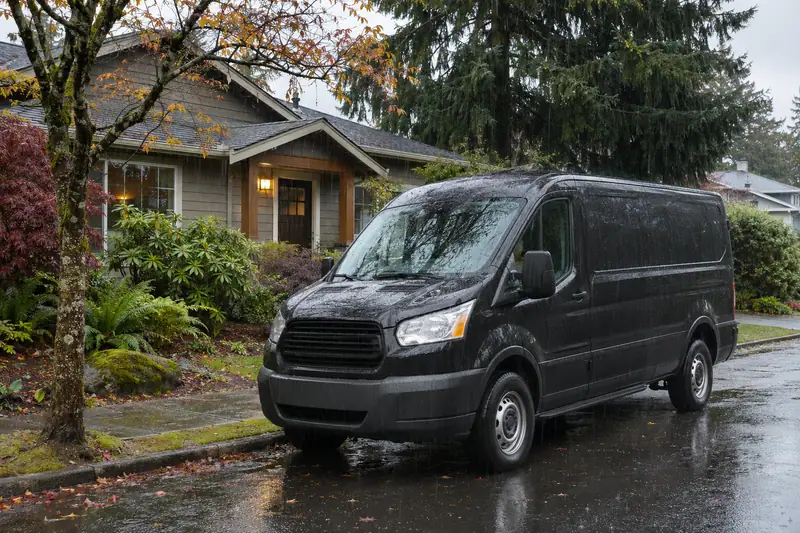
A local technician comes out
A licensed local technician visits, finds the source, measures how far the moisture has spread and works out what kind of water it is.
You hear the options and decide
The technician explains what they found, what can be dried in place, what may need to come out and why. Nothing starts until you say yes.
The house is dried and recorded
If you go ahead, the water is removed, the structure is dried and readings are taken until it is dry. You keep the photos, the readings and the drying log.
What we ask when you reach us
The first conversation is short and practical. These questions decide what the technician brings and how urgent the visit is. There are no wrong answers, and if you do not know something, say so. The technician will work it out on site with the meters.
- Is the water still coming in, and is the power safe in the wet rooms?
- Where did it come from, a pipe, an appliance, a drain, the roof or outside?
- How long has it been there?
- Which rooms and floors are wet, and did it reach carpet, walls or a ceiling below?
- Is anyone in the house at extra risk, such as small children or someone who is unwell?
If the water is still running, we will walk you through the shutoff and the power first. The before help arrives checklist has the same steps written out, so you can keep it open on your phone while you work through them.
What happens on the visit
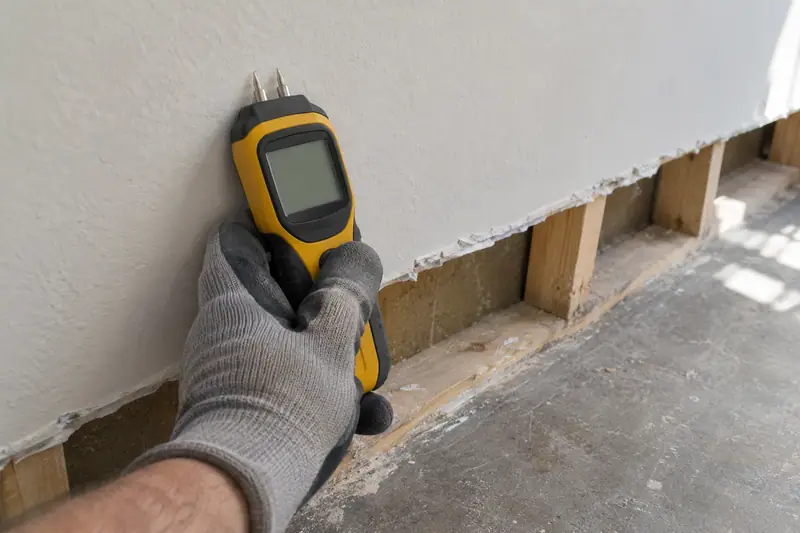
The visit starts with a look at the source and a walk through the wet rooms. Then the meters come out. Readings are taken across floors, up walls and into ceilings until the edges of the wet area are found. Those spots are marked and photographed.
From that map the technician builds a drying plan and explains it to you in plain words. You will hear which materials can be saved, which are likely to come out, roughly how long drying should take and what equipment will be set up.
You stay in control
The decision to go ahead is always yours. Ask as many questions as you need, ask to see the readings and ask why any material has to come out. If you need to talk to your insurance company or a family member first, say so. Good work starts with a homeowner who understands the plan, so there is never a reason to feel rushed.
During drying, you can ask for the readings on each visit. They should fall over time, and the equipment should move as areas dry. When the readings match the dry parts of the house, drying is finished and repairs can begin.
What you keep at the end
- Photos of the damage before work started and after drying.
- The moisture readings from each visit and the final readings.
- A list of materials removed and the reason for each.
- The water category and the source, written down.
After the equipment comes out, the repairs are the last stage. New pad and carpet, drywall patches, trim and paint go back once the readings confirm the structure is dry. If anything feels or smells wrong in the weeks after, such as a soft spot or a musty corner, say so straight away, because it is far easier to check a spot early than to open a finished wall later.
These records help with insurance and with any future sale of the house. Our guide on insurance and water damage explains how they are used.
When you need another trade as well
Water damage work deals with the water and what it soaked. The thing that caused it often needs a different trade. A plumber repairs a split pipe or a leaking valve, an electrician checks wiring and outlets that got wet, and a roofer fixes the opening a storm left behind. The technician will tell you which of these you need and in what order, so the repair and the drying fit together without delays. In most cases drying starts straight away and the repair fits around it.
Questions about how it works
Do I have to agree to anything when I first call?
No. The first conversation is about what you are seeing and what to do right now. Any work is explained and agreed later, after the technician has measured the damage.
What if I want to talk to my insurance company first?
That is fine. Take photos, stop the water and make the power safe, then speak to your insurer. The technician can provide the readings and records they ask for.
How long is the first visit?
It depends on the size of the damage. Measuring and explaining the plan usually comes first, then the water removal and equipment setup if you decide to go ahead.
Where we take calls
We take calls from homes across Portland, Oregon. The ZIP codes we cover are listed on the home page. If you are not sure about your address, mention your ZIP code and we will tell you.